
Following on from the previous post with tips for using a Global Interrail Pass (or Eurail for non-European residents), here’s a month’s Interrail route that makes great use of a flexible Europe-wide pass. On the whole it avoids countries that require seat bookings and supplements. All journeys were free with the pass apart from the the short ride from Jenback to Fügen (Austria) and the Swiss Bernese Oberland mountain railways/cable cars (the Interrail gave a 25% discount though).
Disclosure: This post contain affiliate links to accommodation that I’ve personally experienced and enjoyed. This means I get a small commission if you make a purchase through the links, at no cost to you.
Travel day 1 | Using the rail pass from London
From Devon, UK to Namur, Belgium. This was as far as we could comfortably travel whilst avoiding an expensive overnight in Brussels. It also avoided routes into Germany that were somewhat unreliable at the time. Namur is cheaper than Brussels and has a bar called Barnabeer with 47 beer pulls!
We stayed in BED Namur-Premium at the start and end of our trip. It’s a self-check-in property with a shared kitchen.
Travel day 2 | Belgium to Luxembourg by train
Namur to Luxembourg. Back when I was a tour guide in the 1990s, our coaches often diverted to Luxembourg to fuel up with cheap diesel. In frustration I’d gaze out at the city clustered above, below and along the edges of a deep river gorge, unable to leap off and explore. Now, after all those trains, it was a pleasure to walk this charming city. You can make use of elevators to move between the upper town and the valley.
We spent the night in the central Auberge Gaglioti, which was fine and fairly central in the new town. Luxembourg isn’t hot on budget accommodation.
Travel day 3 | Luxembourg to Strasbourg using trains
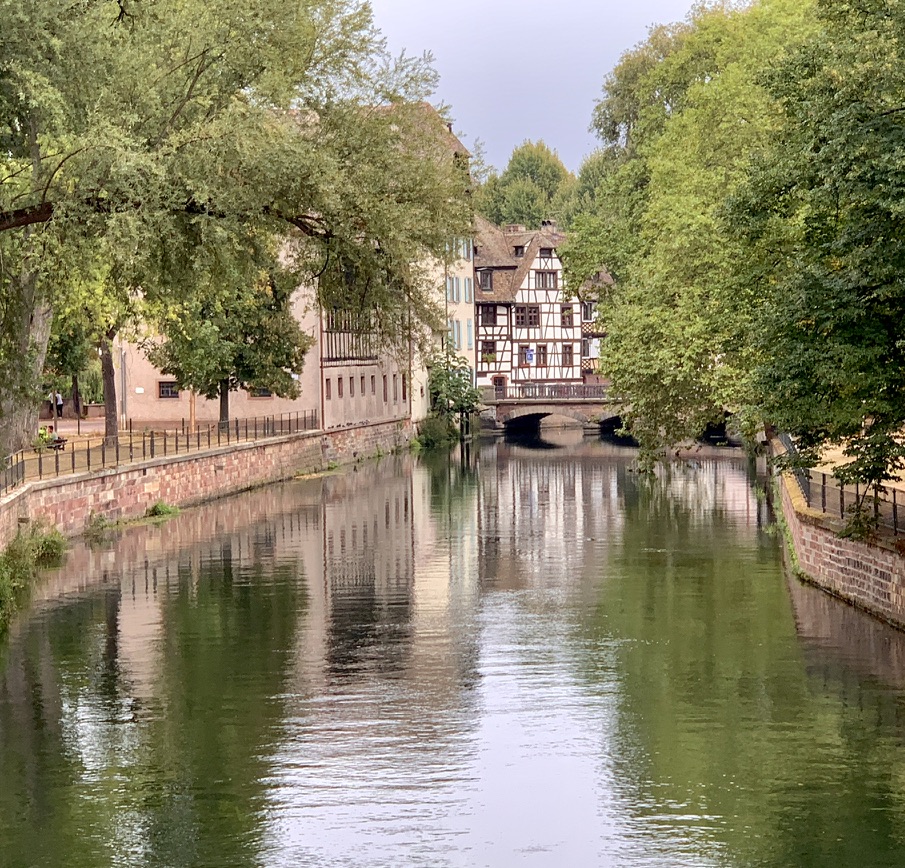
Luxembourg to Strasbourg (France). Strasbourg was a morning stop on our 1990s coach tours, although there wouldn’t be time for more than a quick stroll around the waterways and 16th century buildings of Petite France and a glimpse of the Cathedral’s astronomical clock.
Nowadays Petite France is busier, but no less enchanting . . . even when the peace was broken by a guitarist practising Wish You Were Here, the chords flying out of an open window on the upper floor of a half-timbered building.
We found the Aparthotel Adagio to be a good place to stay – out of the main buzz but still close to the centre. The mini kitchen in the room is a bonus when you’re on an extended trip.


Travel day 4 | By train from Strasbourg to Switzerland
Strasbourg to Interlaken (Switzerland). After Deutsche Bahn cancelled and delayed a number of trains, it was a relief to get to Interlaken. And an even bigger relief to join the bus (free for tourists) out to Wilderswil, where we were staying.
The fact that I can remember little of Interlaken from my tour guide days, apart from the deep turquoise river, suggests I let the passengers off with a map and rarely bothered going into town myself. Interlaken has some grand architecture along with many visitors – hikers, naturally, but also others aimlessly drifting past the jewellery and souvenir shops.
Wilderswil, however, retains its authentic Swiss village atmosphere, despite being close to a suburb of Interlaken. The Jungfraujoch is within sight and Wilderswil is also the start of the Schynige Platte cog railway. There are a couple of supermarkets, which is perfect if you stay in an AirBnB with cooking facilities (Switzerland is expensive). I recommend the fresh spatzle noodles!
Travel days 5 and 6 | Exploring the Bernese Oberland
An Interrail gets you a discount on most of Switzerland’s private railways, which makes the painful prices easier to bear. To get the Interrail/Eurail discount you must buy your tickets at the ticket offices, not a machine. We bought round-trip tickets, which made it slightly cheaper:
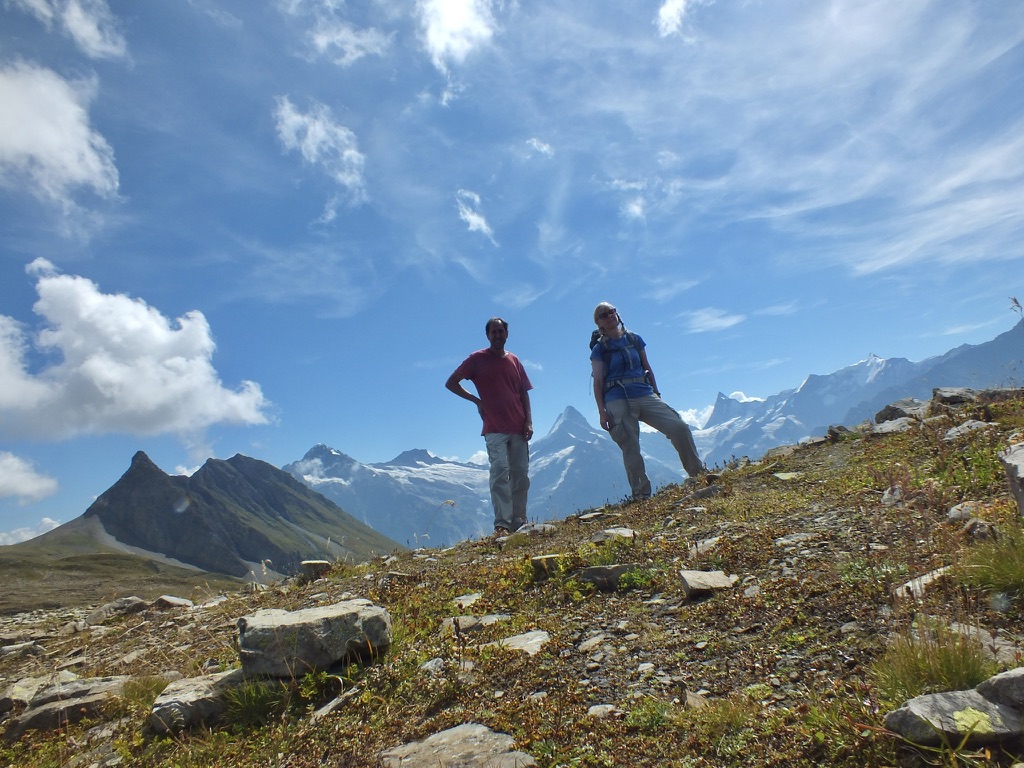
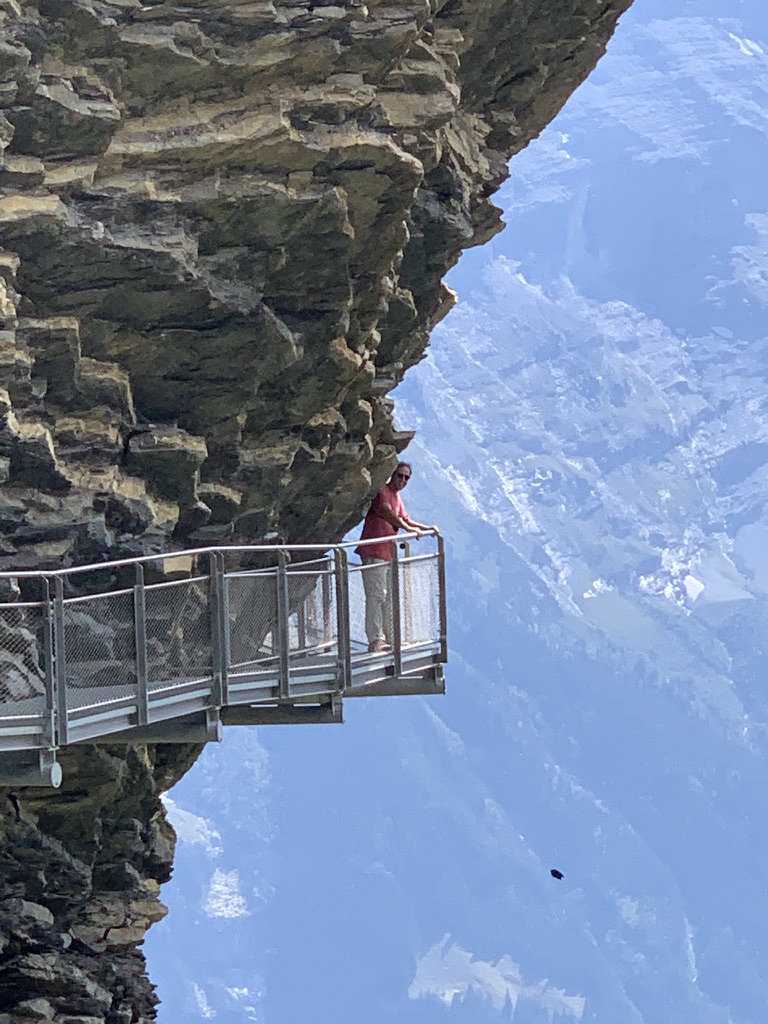
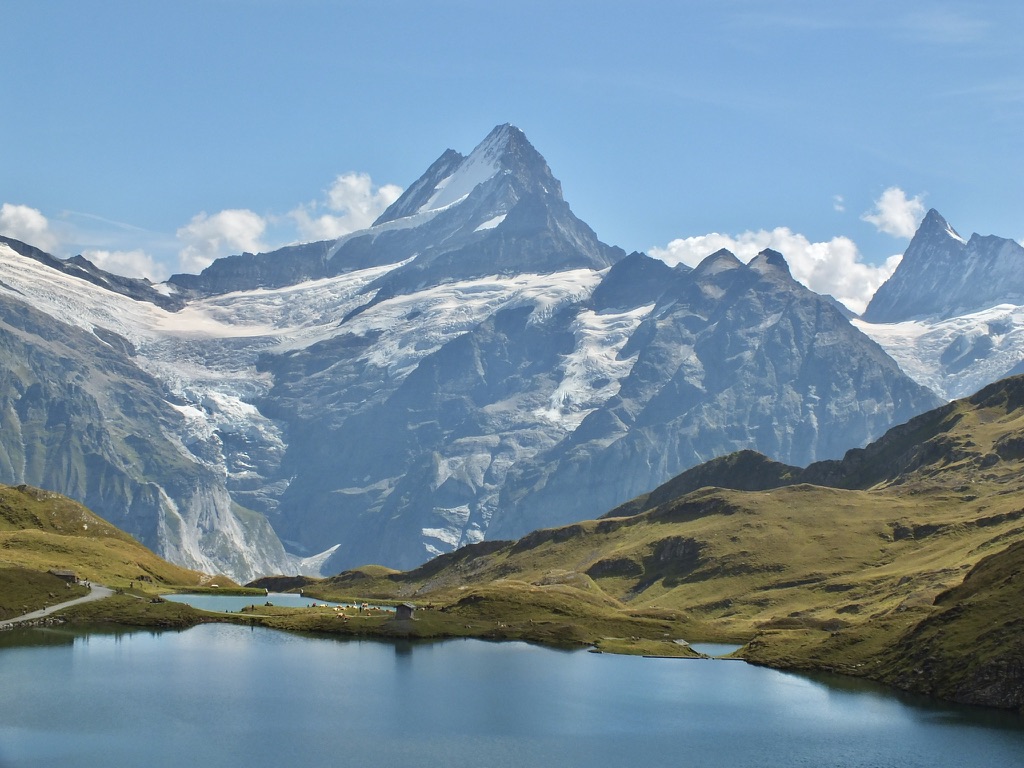
Day 5: a triple journey starting with the cog railway to Schynige Platte, followed by the First gondola above Grindlewald, and finally the mountain railway from Grindelwald via Lauterbrunnen back to Wilderswil (or Interlaken). Note that this itinerary involves a 10-mile mountain walk from Schynige Platte to First, with an optional summit of the Faulhorn. If you’re up for that, and the weather is clear, it’s a spectacular hike with views of the almighty Alps (Eiger, Jungfrau, Schilthorn etc) plus a couple of mountain restaurant possibilities.
Day 6: Wilderswil (or Interlaken) via Lauterbrunnen to Kleine Scheidegg and back via Grindlewald/Lauterbrunnen. Once again, a 25% discount with the Interrail. Kleine Scheidegg is at the foot of the Eiger, with the possibility to hike the Mannlichen summit, or simply wander up to the mounds of glacial moraine beneath the Eiger glacier.
Travel day 7 | Train to Lucerne
A day trip to Lucerne (Luzern), using the Interrail pass. Absolutely worth it for the scenic ride along the shores of Lake Brienz and the steep climb and descent over the Brunig Pass. Not to mention a wander along the shores of Lake Lucerne, including the historic covered bridges.
Travel day 8 | By train from Interlaken to Chur
We travelled from Interlaken to Chur avoiding a scenic route that involved many changes. Instead we went for a faster connection via Zurich. The cathedral city of Chur, in eastern Switzerland, has a lovely pedestrian old town. We stayed in an AirBnB apartment.
Why stay in Chur? From Chur it’s possible to use the pass on many of the Rhaetian Railways routes, such as the train that cuts through the Rhine Gorge. Small stations allow you to leap off and walk along the gorge between stations such as Versam and Valendas.
More spectacular is the Albula railway to St Moritz, a UNESCO World Heritage line that corkscrews through the mountain. As the train twists and turns, the commentary warns passengers that they may find the views ‘confusing’.


Travel day 9 | From Switzerland to the Austrian Tyrol by train
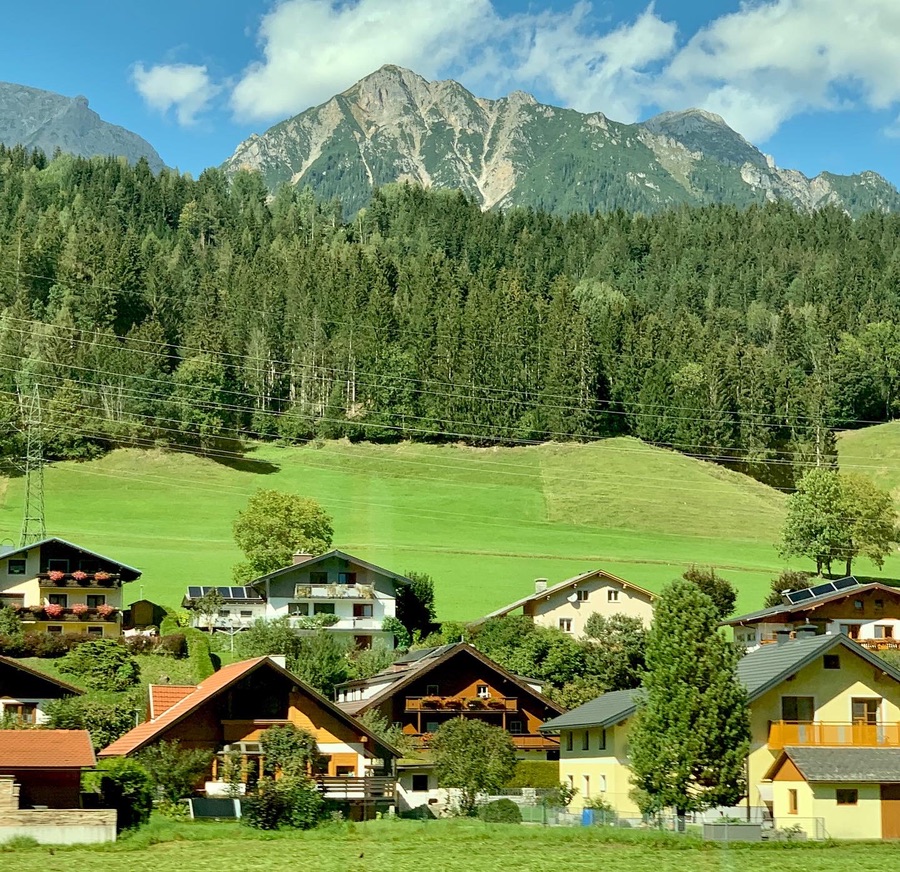
Chur to Fügen (Austria). A ride of non-stop scenic beauty along the Arlberg line to the Ziller Valley in the Austrian Tyrol. If the train has empty seats, make the most of the changing views by swapping from side to side.
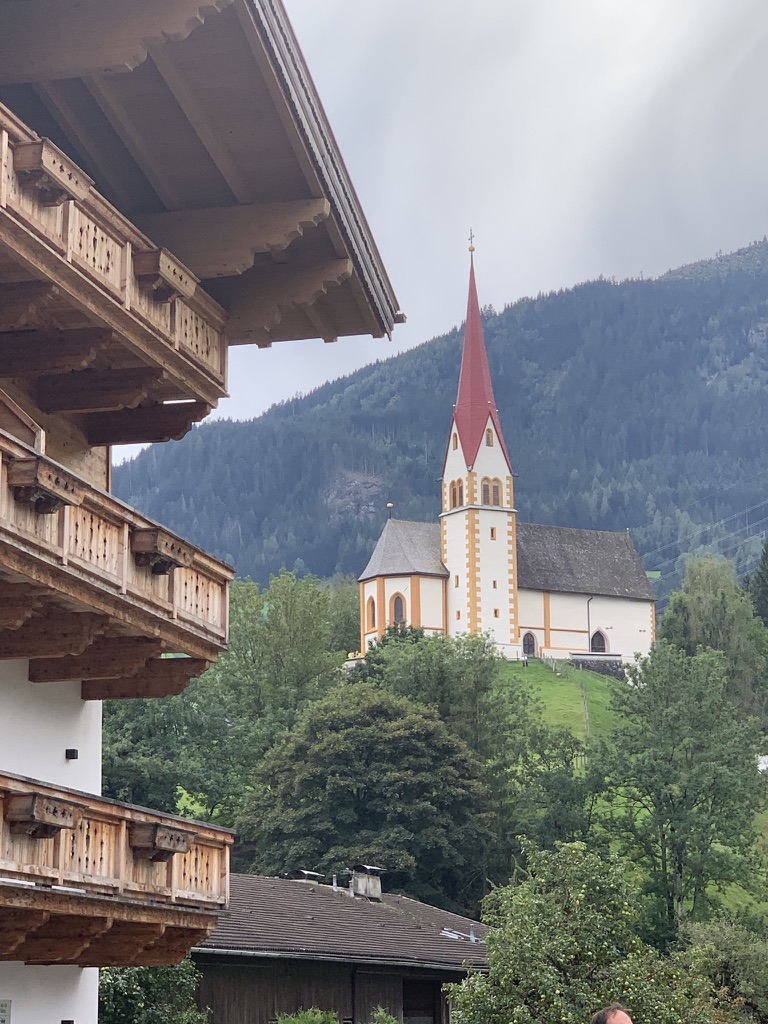
Fügen is a Tyrolean village where I once spent a season as a ski rep for Neilson. I never forgot the view across the valley and fortunately, the valley and the village haven’t changed that much. Nothing new obscures the spire of the little Pankrazberg church on its conical mound.
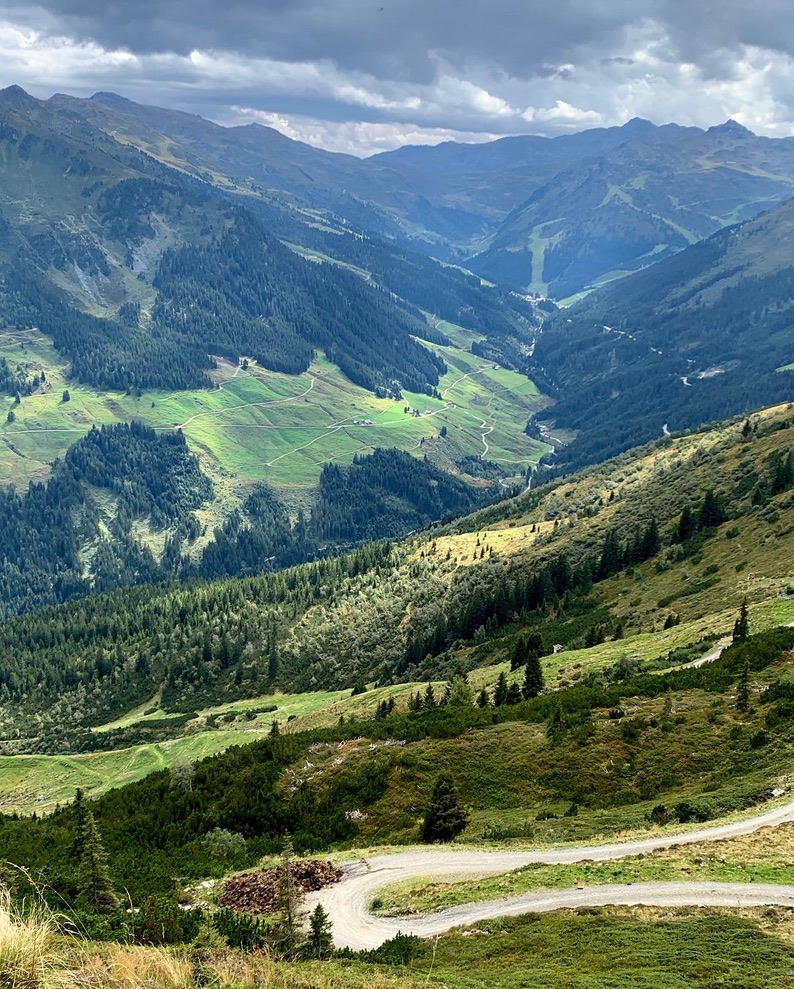
But the village has inevitably grown. Almost every business has expanded although they still operate under the same family name. Even the wood factory has added a ‘visitor experience’. But it’s at the top of the Spieljoch gondola where things have really changed, with the ski lifts joined by pricey family activities such as zip wires. With climate change threatening lower altitude ski resorts, I guess it’s a way to shift the commercial emphasis to activities that don’t rely on snow. It doesn’t detract from the spectacular walks and the ability to lunch at the impossibly high Kellerjochhutte, where you can eat Tyrolean knodel dumplings on a level with enormous grey peaks.
The Ziller valley resorts, such as Mayrhofen and Zell am Ziller, are linked by train, meaning you could spend a few days exploring them all.
Travel day 10 | By train to Graz, Austria’s second city
Fügen to Graz: breaking up the journey to Slovenia with a stopover in Austria’s second city. It’s a pleasant overnight stop and easy to get around. We chose to stay close to the railway station at the Austria Trend Hotel Europa, which was convenient for trains. There are also hotels closer to the old town.
Travel day 11 | By train to Maribor
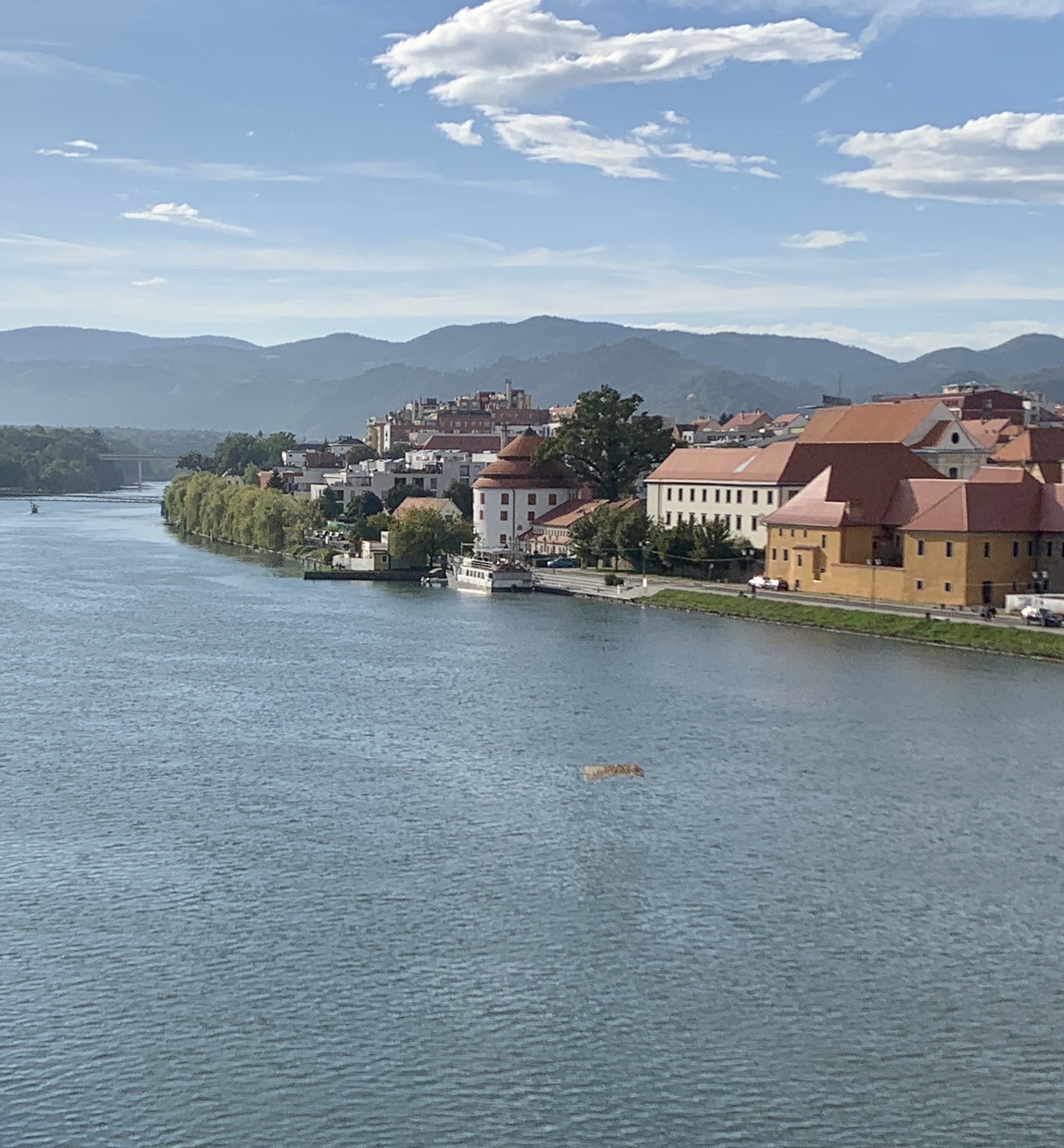
Graz to Maribor (Slovenia). Maribor is a small, laid-back riverside city (Slovenia’s second city). Although Ljubljana is more well-known, Maribor a pleasant place to chill out for a few train-free days, with plenty of AirBnBs. Maribor has the world’s oldest vine and a vibrant old town, and it strives to be one of the most eco-friendly cities. It also happened to have the best coffee of the entire trip at Rooster.
Travel day 12 | From Slovenia to Salzburg by train
Maribor to Salzburg. A beautiful city, if you can find a way through the crowds shopping for chocolate Mozart Balls.
Accommodation in Salzburg tends to be pricey. We saved a little by avoiding the Altstadt (old town) and staying within the railway loop, so still fairly central – our room in the Holiday Inn had an enormous window with a view of the fortress.


Travel day 13 | Make the most of a rail pass with a stopover in Munich
Salzburg to Augsburg (Germany) via Munich. The short distance enabled a daytime stopover in Munich, where we headed for the famous Hofbrauhaus beer hall. What had changed since I used to bring my coach passengers for a litre of beer? What I liked back then was how locals sat in quiet corners away from the tourists, staring into their beer, and that hadn’t changed. But nowadays the tour groups shuffle in behind their leader wearing headsets, their eyes on the person in front rather than taking in anything of the surroundings. None of them looked sufficiently awake to get through a litre of beer…
Travel day 14 | The romantic Mosel Valley
Augsburg to Cochem. The Mosel River has some charming villages, along with the interesting city of Trier, but facilities in the tiny villages can be sparse. To avoid that we stopped off in pretty Cochem, fully aware it’s a tourist honeypot. It was a shock to be charged almost 7 euros for a glass of water (not listed on the menu). I should have known when my landlady spent more time telling me which restaurants to avoid than any she’d recommend . . . Still, if you want castles, museums, boat trips and an Irish bar, it’s all here.
There are plenty of hotels, too, although we chose to stay away from the tourists in a ‘Fewo’ (holiday apartment) at the top of the hill – a short walk from Cochem’s reconstructed castle.

Travel day 15 | A final night and a festival in Namur
Cochem to Namur. Back for a final night in Namur Belgium, avoiding the unreliability of the Koln-Brussels line. Our evening coincided with a Festival of Wallonie, with amateur bands playing throughout the streets lined with beer stalls. Unfortunately that meant the bar with 47 pulls wasn’t open . . .
Travel day 16 | From Belgium to London using Eurostar
Namur to Devon (England) via the Eurostar.

 Michelle Lawson | Travels in the hidden corners of Europe
Pingback: Interrailing 2022: ten tips – Michelle Lawson
Pingback: Enjoy the region and take your time: The Interrail diaries – Michelle Lawson
Pingback: The Interrail diaries – Michelle Lawson | Travels in the hidden corners of Europe